 Crucis
Blog · July 14, 2026
Why the Rapture theory is not Catholic
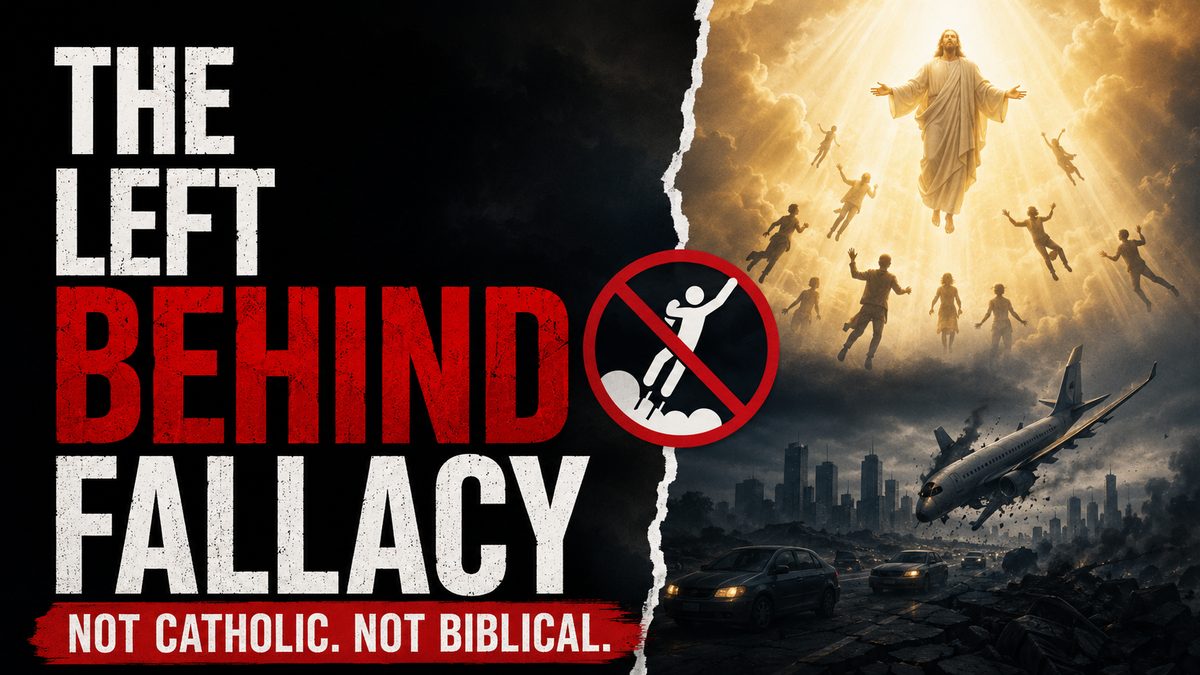
The Left Behind Fallacy: Why the Rapture is Not Catholic—or Biblical
For decades, modern pop-theology, bestselling novels, and apocalyptic Hollywood movies have popularized a specific view of the end times: The Rapture.
According to this theory, Jesus will return secretly before a period of global tribulation to pluck faithful believers directly out of the world. Planes will crash as pilots disappear, cars will veer off roads, and those "left behind" will face a grueling seven years under the Antichrist.
Many well-meaning Christians—and even some Catholics caught up in evangelical media—assume this is what the Bible teaches. But as Catholics rooted in Sacred Scripture and the 2,000-year Apostolic Tradition, we must proclaim the truth: The Rapture is entirely unbiblical, historically late, and contrary to the Catholic Faith.
Let’s unpack the primary scriptures used to support the Rapture, why they are routinely misunderstood, and what the Church actually teaches about the Second Coming.
The Historical Novelty of the Rapture
Before looking at scripture, it is vital to know where this theory originated. The Rapture is not an ancient Christian doctrine. It was invented in the 1830s by an Anglo-Irish preacher named John Nelson Darby, who pioneered a system called dispensationalism. For the first 1,800 years of Christian history, no Catholic, Orthodox, or Protestant theologian had ever heard of a "secret pre-tribulation Rapture."
The Myth of the "Secret" Return: 1 Thessalonians 4:16–17
The foundational pillar of Rapture theology is taken from St. Paul’s first letter to the Thessalonians:
"For the Lord himself, with a word of command, with the voice of an archangel and with the trumpet of God, will come down from heaven, and the dead in Christ will rise first. Then we who are alive, who are left, will be caught up together with them in the clouds to meet the Lord in the air." — 1 Thessalonians 4:16–17
Rapture theorists argue that this event is a silent, invisible rescue mission. However, the text explicitly says otherwise.
Continue reading in the app — free.